






Safe cable routing for telecom sites
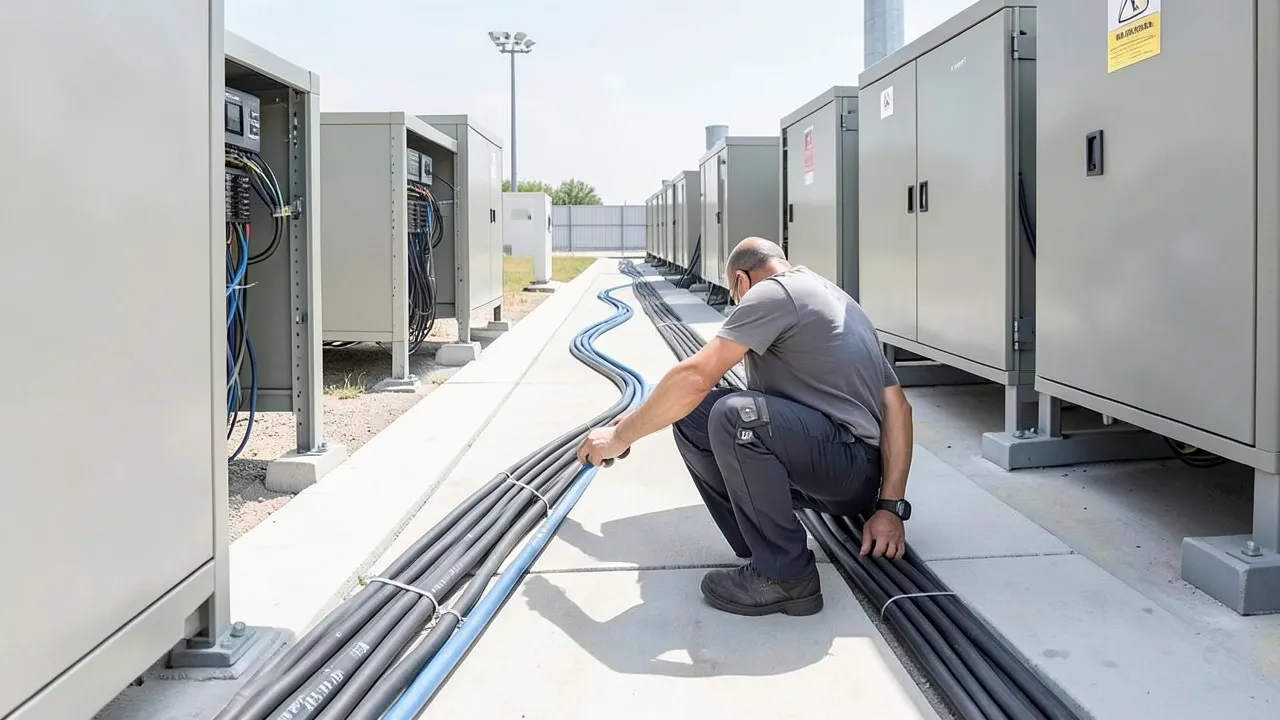
Safe cable routing at telecom sites is more than an installation detail. It affects safety, uptime, maintenance access, and the long-term reliability of the entire network. When cables are routed poorly, you may face abrasion, overheating, trip hazards, water ingress, electromagnetic interference, and costly faults that are difficult to trace. A structured approach helps you protect staff, equipment, and service continuity while keeping the site easier to inspect and upgrade.
Why cable routing deserves careful planning
Telecom sites often bring together power, data, RF, grounding, monitoring, and control circuits in a confined footprint. That mix creates several risks if cables are left to cross paths without clear rules. A neat route is not just a visual benefit; it reduces wear and supports safer working conditions.
Safety starts with separation and protection
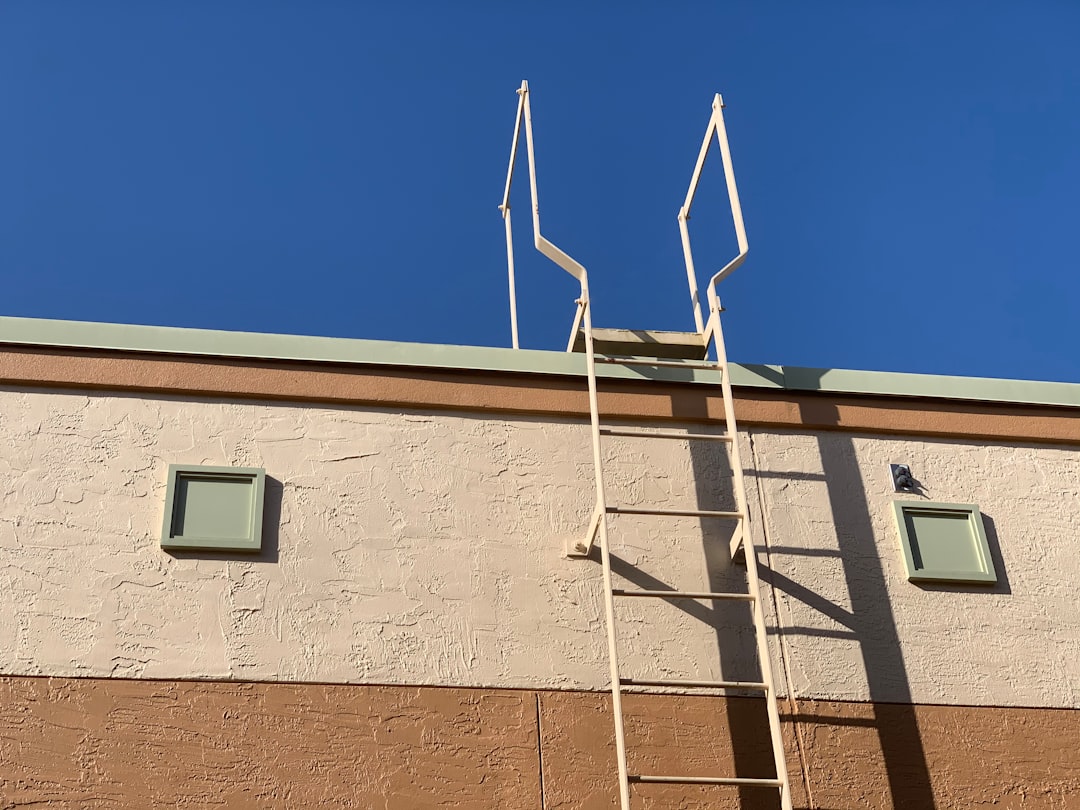
Different cable types should follow routes that match their function and exposure. Power cables should not share tight spaces with low-voltage signal lines unless separation requirements are met. Where cables pass through metal edges, floors, ladders, or trays, you should use suitable protection to prevent chafing. Proper segregation helps reduce interference and lowers the chance of accidental contact during maintenance.
Access must remain clear
Technicians need safe access to cabinets, battery systems, antennas, and distribution points. If cable bundles block walkways or obscure labels, routine work becomes slower and more hazardous. Routing should preserve access to isolators, breakers, and emergency shutdown points. It should also leave enough slack for service without creating loops that can snag or collect water.
How to design routes that suit the site layout
A good cable route starts with the physical reality of the site. Rooftops, compounds, tower bases, and equipment rooms all present different constraints. The route should reduce exposure to weather, vibration, traffic, and mechanical strain.
Use the shortest safe path, not just the shortest path
The most direct route is not always the safest. You may need to divert cables around heat sources, moving parts, sharp corners, or areas where lifting gear is used. The goal is to balance efficiency with protection. Where possible, use cable trays, conduits, ladder racks, and clamps that support the cable without squeezing it.
Plan for maintenance and future changes
Telecom sites evolve. New radios, sensors, and backup systems often require additional cable runs later. If you plan for expansion now, you reduce the chance of awkward retrofits. Mark spare capacity in trays and ducts, and leave room for bend radius requirements and cable identification tags. A route that can be understood quickly by someone new to the site is usually a safer route.
Managing environmental and electrical risks
Cable routing on telecom sites must withstand weather, electrical stress, and site-specific hazards. The route you choose can either reduce or amplify those risks.
Protect against water, UV, and temperature
Outdoor runs face rain, frost, sunlight, and repeated temperature changes. Poor routing can create low points where water gathers or sections that rub against edges in high winds. Use drip loops where needed, keep cable entries sealed, and avoid placing vulnerable runs where standing water may occur. On exposed rooftops and masts, select cable management hardware rated for outdoor conditions and ultraviolet exposure.
For related grounding considerations, you may find this guide useful: Earthing and Lightning Protection for Telecom Masts and Rooftops.
Reduce electromagnetic interference
Data and control signals can suffer when routed too close to high-current conductors or noisy equipment. Cross power and signal cables at right angles where separation is unavoidable. Maintain clear route discipline inside cabinets and between buildings. Shielded cable may help in some cases, but shielding alone should not replace sound routing practice.
Watch for mechanical strain
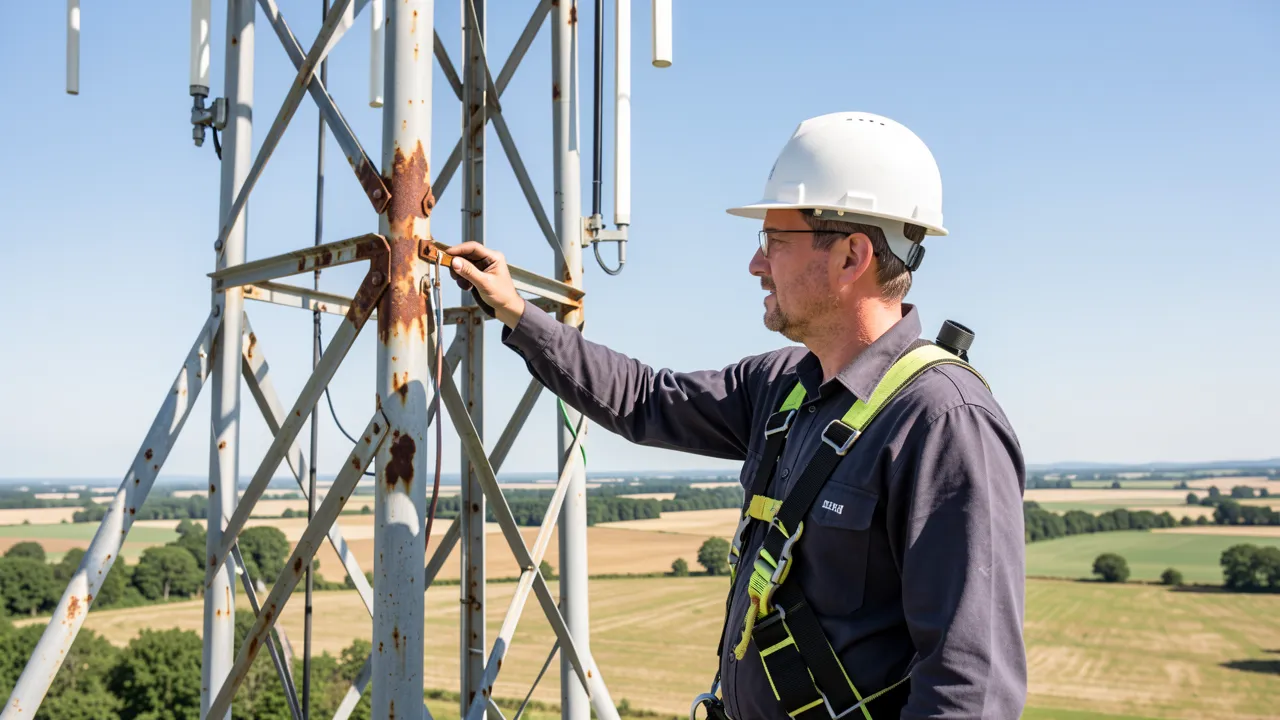
Tension, vibration, and repeated movement can damage conductors over time. This is especially relevant on towers, gantries, and rooftop spans. Use clamps and supports at suitable intervals, and do not rely on connectors to carry the load of a cable run. Where a cable must transition between fixed and moving structures, allow enough flexibility to avoid fatigue.
What good installation practice looks like on site
Safe routing is achieved through disciplined installation, not just a well-drawn plan. Teams need practical habits that reduce variation and errors.
Label, secure, and inspect
Each route should be easy to trace from end to end. Labels at both ends and at key intermediate points support faster fault finding. Fasteners should hold cables securely without deforming them. Inspection after installation should check for sharp bends, crushed sections, unsupported spans, loose ties, and signs of rubbing.
Keep fire safety in mind
Cable routes should not block fire detection devices, extinguishers, escape paths, or access to firefighting equipment. In enclosed plant rooms, route selection should also consider fire stopping through walls and floors. Materials and supports should be chosen with the site’s fire risk profile in mind, especially where multiple power circuits are concentrated.
Use the right support hardware
Cable ties are useful, but they are not always the best primary support. Depending on the environment, you may need clips, saddles, trays, cleats, or conduit. The support system should match the cable weight, exposure level, and service conditions. Good hardware reduces movement and avoids unnecessary stress on terminations.
Common mistakes that create avoidable hazards
A few recurring errors appear on many telecom sites. Avoiding them can save time, money, and incident reports.
- Cables laid across walkways or service paths
- Mixed power and signal cables without a defined separation method
- Unsupported spans that sag or vibrate
- Sharp bends near connectors or entry points
- Inadequate protection at edges, penetrations, or metal surfaces
- Loose bundles that trap heat or collect moisture
- Routes that prevent clear access for testing and repair
- Poor labeling that forces technicians to guess
A safer route supports a safer network
Safe cable routing is not an isolated task. It supports the wider safety culture of the telecom site by reducing hazards, simplifying maintenance, and protecting critical infrastructure. When you design routes with access, separation, durability, and inspection in mind, you create a site that is easier to manage and less likely to fail unexpectedly. Careful routing pays off every time someone has to test, repair, upgrade, or inspect the system.
Key points to remember
- Separate cable types according to function and exposure.
- Keep routes clear for access, maintenance, and emergency action.
- Protect cables from water, UV, vibration, and abrasion.
- Plan for future upgrades and spare capacity.
- Use suitable supports, labels, and inspection checks.
- Avoid routing that increases fire risk or blocks escape paths.
Safe cable routing is not about perfection; it is about making sensible choices that reduce risk over the full life of the site.