






Telecom shelter ventilation and cooling options
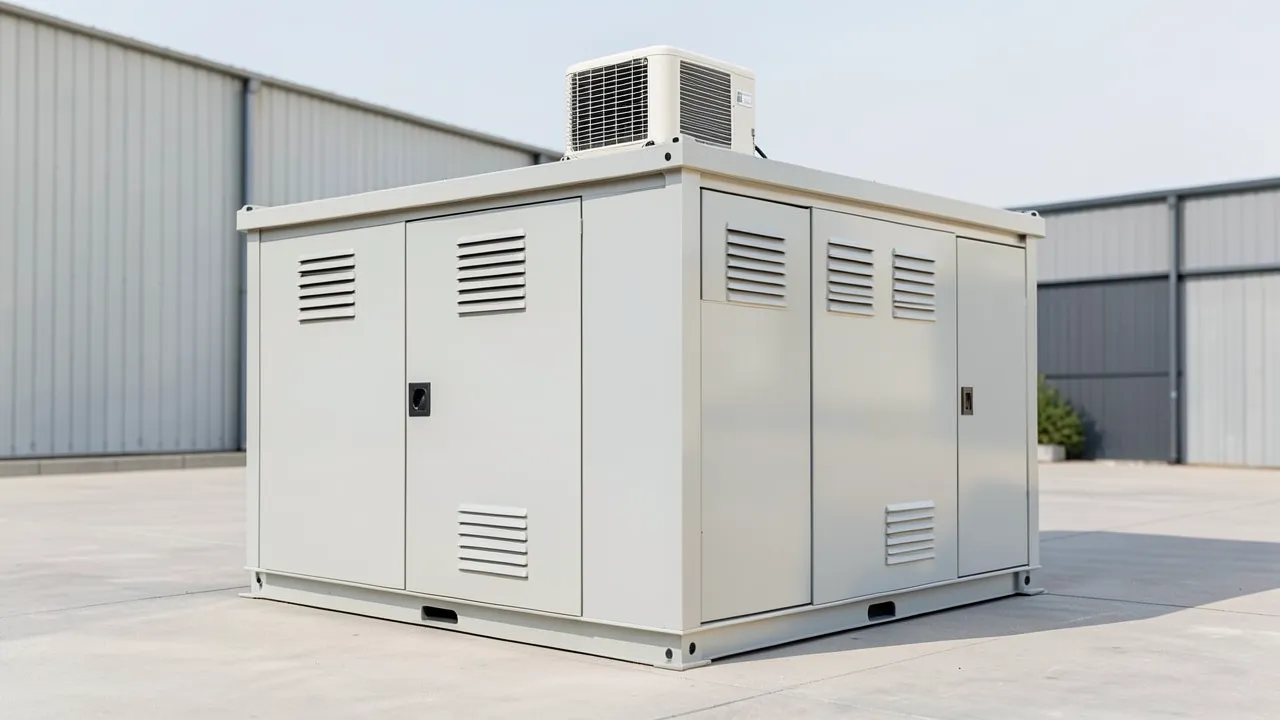
Telecom shelters house sensitive equipment that must operate reliably in compact spaces, often under constant thermal stress. Heat buildup, humidity swings, dust ingress, and uneven airflow can shorten equipment life and reduce network resilience. For site operators, the challenge is not simply to “add cooling,” but to match the ventilation strategy to the shelter’s load profile, climate exposure, power constraints, and maintenance capacity. A well-chosen system can stabilise temperatures, protect electronics, and keep operating costs under control.
Why shelter climate control deserves attention
Telecom shelters are frequently installed in exposed locations, from rooftops to remote compounds and roadside cabinets. Equipment inside may generate a steady internal heat load, even when the surrounding air feels mild. If that heat is not removed efficiently, hot spots can form around power systems, batteries, and transmission gear.
The risks of poor thermal management
Overheating can cause throttling, premature component ageing, unexpected reboots, and battery degradation. Moisture is another concern: when warm air cools inside a shelter, condensation can develop on surfaces and connectors. Dust and insects can also enter through poorly managed openings, creating long-term reliability issues. Stable internal conditions support network uptime and reduce maintenance calls.
Natural ventilation can work in the right conditions
Natural ventilation uses passive airflow through louvres, vents, or pressure-driven openings. It is simple, low-energy, and attractive for smaller shelters in cooler or moderately temperate climates. When the outdoor air is consistently cooler than the internal air, passive movement can help remove heat without mechanical assistance.
Where passive airflow performs best
This option is most effective when internal heat gains are modest and the shelter is not tightly packed with high-density equipment. It also works best when the site can tolerate some dependence on weather conditions. If ambient temperatures rise above the desired internal range for long periods, passive ventilation alone will usually fall short.
Design details that make a difference
Louvre placement, airflow path, and filtration matter. Intake and exhaust points should be arranged to avoid short-circuiting, where air enters and exits too quickly without sweeping across the heat sources. Filters can reduce dust ingress, but they need regular inspection. In mixed environments, natural ventilation is often paired with thermostatic controls so that fans assist only when needed.
Forced-air cooling offers a practical middle ground
Mechanically assisted ventilation uses fans to move air through the shelter in a controlled way. Compared with fully sealed systems, it is relatively economical and easy to maintain. For many telecom installations, especially where the heat load is moderate, forced-air cooling provides a balanced solution.
Managing airflow with precision
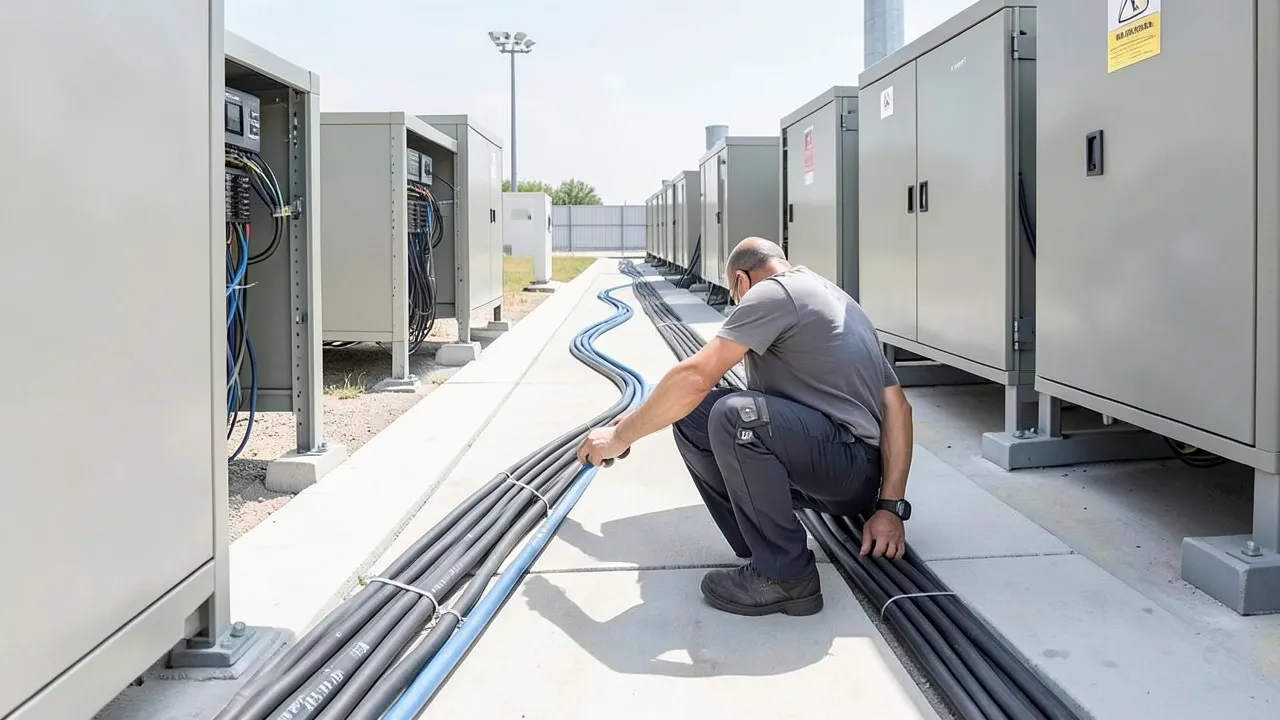
The goal is not just high air movement, but effective air distribution. Fans should support a clear path from intake to exhaust, with attention to cable runs, rack placement, and battery enclosures. Poor layout can create recirculation zones or leave critical components under-cooled. For projects where cable layout affects airflow, Safe cable routing for telecom sites offers a useful reference point, since neat routing can improve both service access and thermal performance.
Maintenance and energy use
Forced-air systems require fan replacement, filter cleaning, and periodic checks on thermostats and sensors. Even so, they tend to be straightforward to operate and can be integrated with alarm systems that flag fan failure or overtemperature events. For operators seeking a modest capital investment with acceptable running costs, this is often a strong candidate.
Air conditioning remains the option for high loads and harsh climates
When equipment density is high, ambient temperatures are extreme, or the shelter must maintain a narrow operating window, compressor-based air conditioning may be the safest choice. These systems deliver tighter temperature control and can maintain performance in conditions where passive or fan-driven methods would struggle.
When sealed cooling is justified
Air conditioning becomes attractive when sensitive electronics, power conversion equipment, or battery systems require consistent conditions throughout the year. It is also useful in dusty or humid environments, because a sealed envelope reduces contamination. That said, it comes with higher capital cost, greater energy demand, and more complex maintenance obligations.
Energy and resilience trade-offs
The main disadvantage is dependency on stable power. If the shelter already has tight energy budgets, adding a compressor system may require careful load planning or backup capacity. Operators sometimes combine air conditioning with free cooling logic, allowing outside air or fans to handle milder periods while mechanical cooling takes over only when thresholds are exceeded. Hybrid strategies often deliver better efficiency than a single fixed method.
Hybrid systems can balance cost, efficiency, and reliability
Many modern shelter designs use a layered approach. Passive vents may handle low-load periods. Fans can take over when temperatures rise. Air conditioning can remain available as a peak-support or emergency measure. This flexible model helps align cooling output with actual demand rather than running a high-energy system continuously.
Controls matter as much as hardware
Sensors, thermostats, humidity monitoring, and remote alarms shape how well the system responds. Poorly calibrated controls can waste energy or delay intervention. Good control logic can also extend equipment life by preventing rapid cycling and maintaining smoother thermal conditions. For operators managing multiple remote sites, remote monitoring is often the difference between reactive maintenance and planned servicing.
How to choose the right ventilation strategy
Selection should start with a clear view of the shelter’s thermal load and site context. A small enclosure in a temperate area may only need passive or fan-assisted ventilation. A dense shelter in a hot, humid, or dust-prone environment may require sealed cooling. Battery chemistry, occupancy density, power availability, and service intervals all influence the decision.
Questions to ask before specifying equipment
- What is the expected internal heat load at peak demand?
- How often do ambient temperatures exceed the target internal range?
- Is dust, salt, or moisture a persistent concern?
- Can the site support regular maintenance visits?
- How tolerant is the equipment to temperature variation?
- Is backup power available for cooling during outages?
Maintenance and protection should be planned from day one
Cooling systems fail in predictable ways: blocked filters, worn fan bearings, refrigerant loss, sensor drift, and damaged seals. A maintenance plan should cover inspection intervals, spare parts, and alarm thresholds. Designers should also coordinate ventilation with ingress protection, fire safety, and corrosion control so that one system does not undermine another.
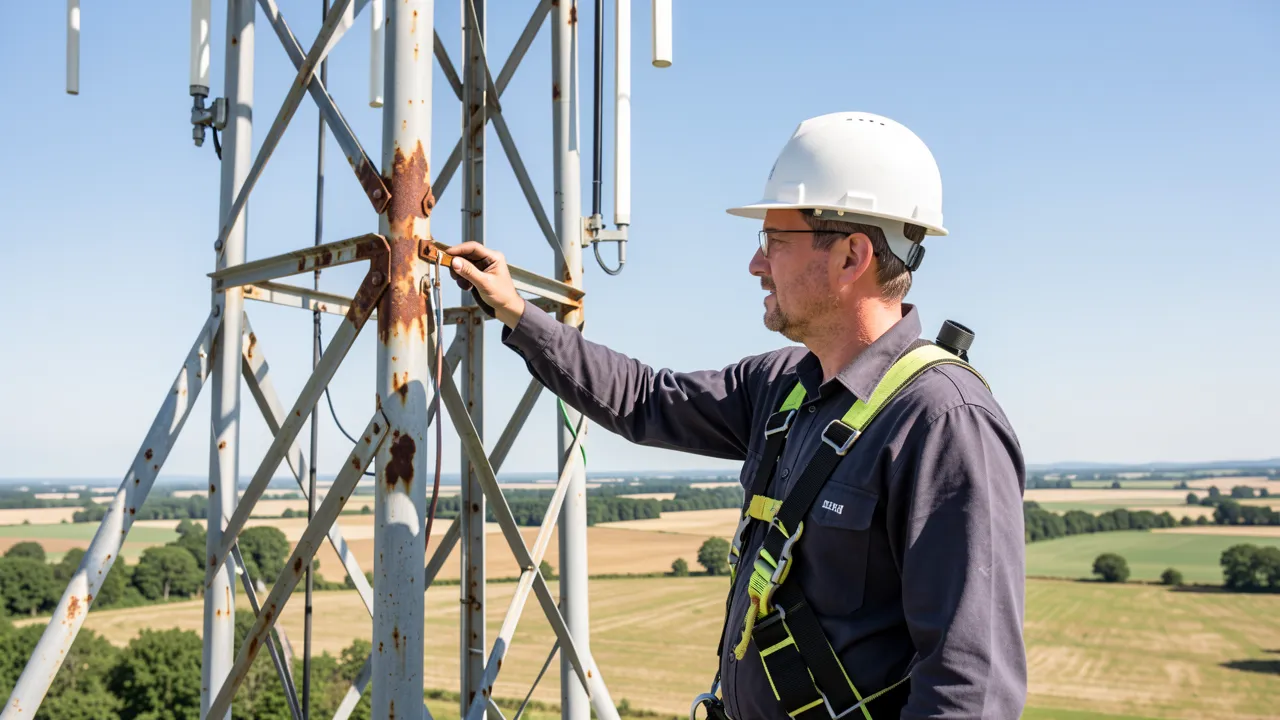
For sites exposed to storms or rooftop conditions, Earthing and Lightning Protection for Telecom Masts and Rooftops is relevant, because shelter resilience depends on more than temperature control alone. Electrical protection and cooling often need to be considered together, especially where sensitive electronics and exposed infrastructure share the same location.
A practical path to reliable shelter performance
The best telecom shelter cooling solution is rarely the most powerful one; it is the one that fits the site, the load, and the maintenance regime. Passive ventilation can be effective in mild climates, forced-air cooling offers flexibility at moderate cost, and air conditioning provides tighter control for demanding environments. When these choices are backed by good layout, monitoring, and upkeep, the shelter becomes more stable and the network more dependable.
- Passive ventilation suits low-load shelters in favourable climates.
- Forced-air cooling works well for many medium-duty installations.
- Air conditioning is better for high heat loads and sealed environments.
- Hybrid control systems can reduce energy use and improve resilience.
- Maintenance planning is as important as equipment selection.
- Site conditions, not theory alone, should drive the final specification.
Choosing the right approach means balancing thermal performance, operating cost, and long-term serviceability. When you design with those three factors in mind, shelter cooling becomes a reliability asset rather than a recurring problem.